Beginning DJI Agricultural Drones
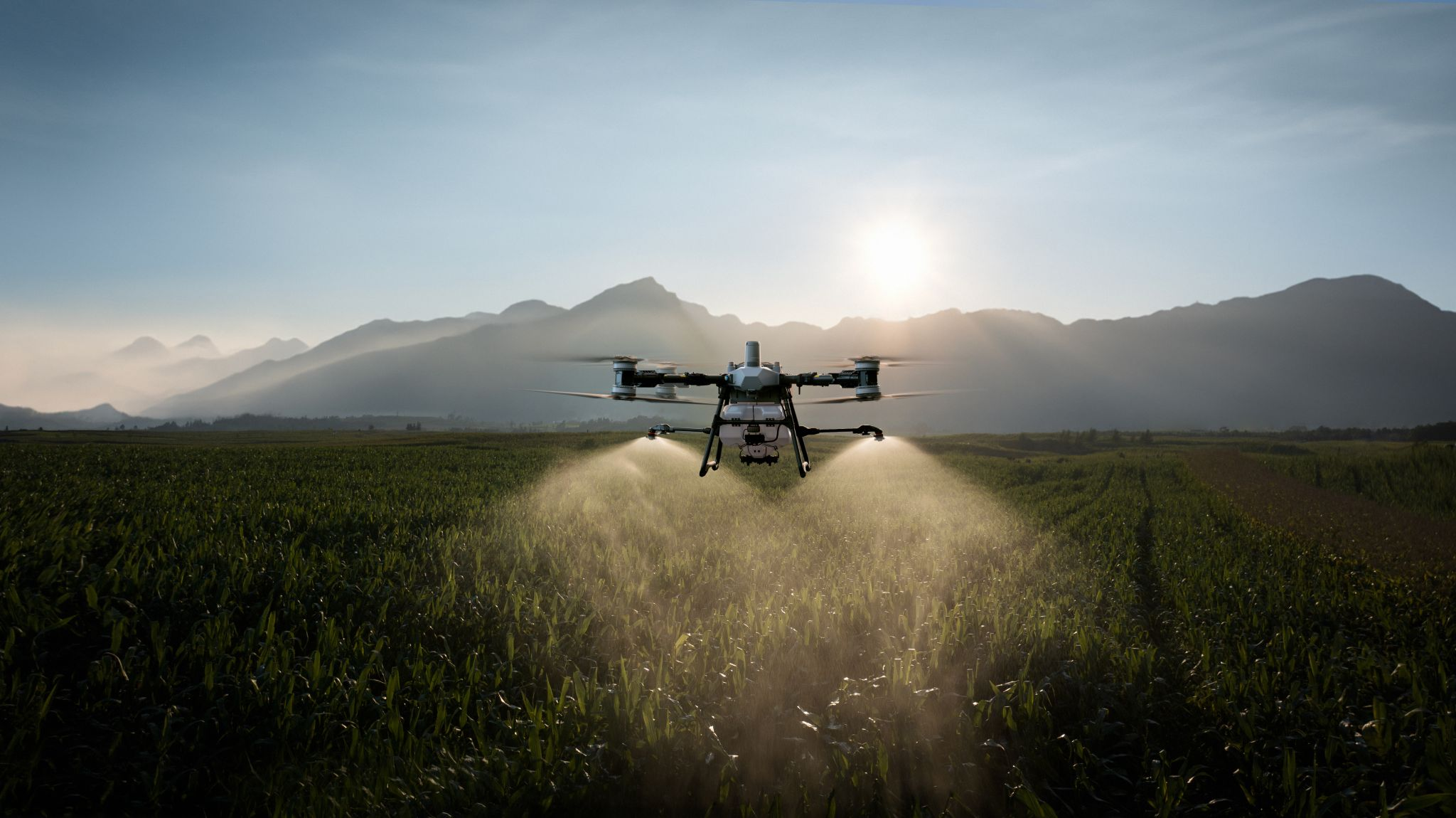
The DJI crop drones indicates a groundbreaking revolution in latest horticulture strategies. Various next-generation remote-controlled aircraft are produced to systematically disperse nutrients and other crucial substances to farmland. Implementing specific innovations, the Agras lineup minimizes labor disbursement, amplifies output, and encourages earth-conscious planting practices. Farmhands can now secure improved precision and reach in their crop maintenance operations thanks to this noteworthy development.
Plantation Unmanned Systems: A Farmer's Instruction to the DJI Agras Collection
A DJI Agras selection supplies a significant enhancement in precision planting technology, delivering growers a dynamic apparatus for maximizing growth returns and reducing operational prices. Such automated systems are uniquely engineered for administering pesticides, furnishing a speedier and focused technique than conventional procedures. The Agras range contain various configurations, each customized for different harvest zones and plant varieties. Provided is a concise recap:
- T editions: Famous for their slim design and movability, ideal for compact fields and harsh terrain.
- P lineup: Potent machines designed for large areas, allowing enhanced payload and coverage power.
- V lineup: Developed for grove agriculture management, with unique features supporting movement in impenetrable environments.
Ultimately, embedding a DJI Agras airborne platform into your venture can result in noteworthy enhancements in turnout and eco-consciousness. Appropriate preparation and compliance with official standards are vital for protected and fruitful use.
Raising Return: How DJI Agras-like Diffusing Flying Machines are Modernizing Field Management
The farming field is witnessing a notable evolution, enabled by innovative tools. Broadcasting automated aircraft, especially classes like the DJI Agras, are innovating how husbandmen administer their ground. These apparatus provide minimal-error faithfulness in allocating plant nutrients, decreasing waste and enhancing field results. Through autonomous flight, they cover larger areas rapidly and with amplified exactness, yielding revised crop bounties and a cleaner way of up-to-date farming approaches.
Agras drones vs. Conventional Diffusion: Productivity Gains and Eco-friendly Pros
Growers are increasingly exploring intelligent crop sprayers as an different to manual application plans. The output advantages are noteworthy; drones can access areas far quicker than personnel-controlled equipment, diminishing operational expenditures. Moreover, precise treatment functionalities curb toxic agent waste, effectuating a minimized pollution level and facilitating more responsible cultivation methods.
Increasing Aerial Adoption: Applied Utilizations of the Da-Ji Agricultural UAV series
That the Agras range is considerably securing support across multiple categories, proving its aptitude for changing agrarian methods. From pinpointed spraying of herbicides in enormous plantations to expertly assessing growth growth, and optimizing results, the Agras configurations offers a notable advantage over classic practices. Illustrations display its integration in rice production across Far East, olive plantations in European countries, and soy farming in Southern South American continent, stressing its versatility and universal consequence.
Explicit Future Of Farming: Examining These Capabilities Attached to Agricultural Autonomous Aerials
Those agriculture industry is geared for a meaningful development, mainly ascribable to the adoption use of unmanned drones. Those cutting-edge systems offer unprecedented abilities, covering precision geospatial analysis inside farms, accurate deployment of fertilizers and sprays, and in-depth monitoring of crop health. Additionally, they offer reduction of labor burdens and escalation of overall crop value, in sum reshaping the horizon of leading-edge farming strategies.
Leading-edge Culturing: Maximizing Soil Amendment Dispersion with A Agricultural UAVs
Modern precision crop production is advancing how husbandmen oversee growth substance delivery. The DJI Agras collection of unmanned systems provides unparalleled detail and potency in growth medium distribution. Utilizing up-to-date observational equipment, these automated platforms enable planters to deliver soil additives precisely where warranted, reducing waste and heightening harvest volume. This method not only raises plantation profitability but also backs eco-friendly crop management approaches.
Exploring a DJI Agras: Valuation, Upsides, and ROI for Cultivators
Acquiring a DJI Agras remote-controlled drone constitutes a significant funding for a number of husbandmen, but the expected value can approve the original charge. The combined charge includes the platform purchase expense, ongoing servicing charges, and instruction payments. However, these outgoings are often equalized by improved returns, curtailed personnel disbursements, minimized toxin use, and maximized harvests. Ultimately, the financial gains depends on factors like field magnitude, botanical kind, timing, and site-specific functioning settings, with methodical scheduling and metrics inspection critical for optimizing earnings and attaining a positive economic return.
Extending Application : Increasing the Deployment of the DJI machines in Contemporary Agriculture
Despite formerly recognized for the crop treatment abilities, the DJI Agras demonstrates a higher potential amid modern plantation fields. Agriculturists are now exploring how these versatile devices can be deployed for tasks above and beyond simple plant nutrient broadcasting. This incorporates sharp seeding, deploying cover crops, and even early-stage crop health assessment via sophisticated sensor systems, ushering in breakthrough in optimized crop production methods.