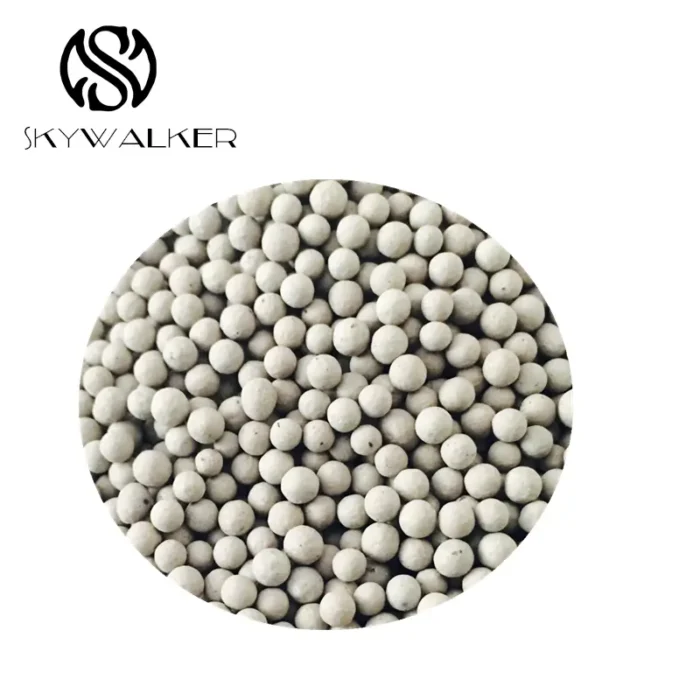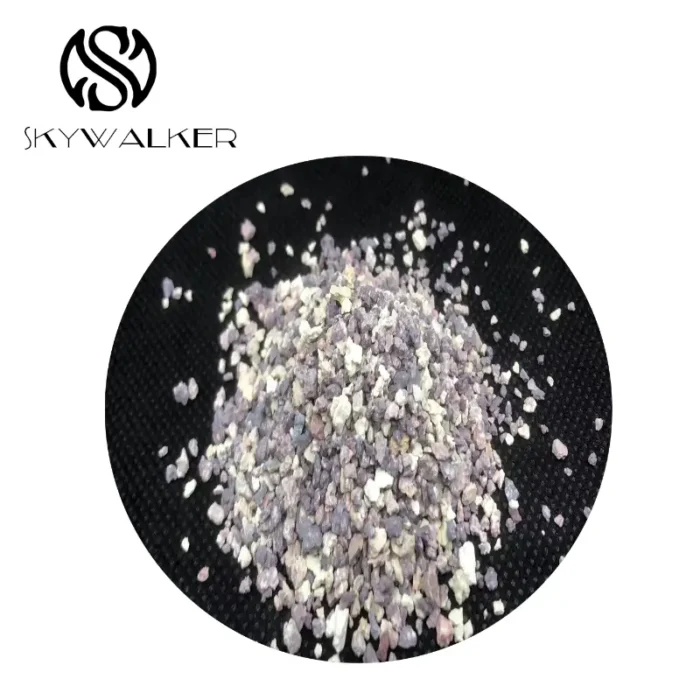
Decoding enhanced whitening material obligates a comprehensive inspection of its features. This unique entity is extensively employed in the cleaning of fats, proficiently removing foreign substances. The enhancement practice typically involves thermal treatment, boosting its retentive efficacy to collect colored pigments. In conclusion, this overview will delve into the concepts behind processed bleaching clay and its employments.
Detoxifying Aggregate Partners: Obtaining the Right Supplier
Obtaining a dependable supplier of purifying material is crucial for many domains, particularly those involved in edible oil processing. Choosing the appropriate partner requires thorough consideration beyond just cost. Assess their track record in bleaching agent delivery, their verification procedures, and their potential to consistently satisfy your quantity needs. A dependable bleaching earth supplier will also offer technical support and a portfolio of levels to match your individual application.
Certain Foundation Behind Modified De-colorizing Substance
Treated bleaching clay, a cornerstone in the refining practice for edible oils, functions through a fascinating composition of material and chemical processes. Initially, naturally occurring montmorillonite is activated – a procedure involving heat and substances – to drastically increase its surface scope. This expanded surface offers an immense number of locations for the selective adsorption of color pigments, blemishes, and harmful odor compounds. The mechanism is primarily molecular adhesion, where molecules are held by weak van der Waals attractions, though some chemical adsorption can also exist with certain agents. This results to a significant minimization of color and boost of the oil's visual quality and flavor.
De-colorizing Substance - Properties and Roles
Purifying clay: earth, frequently designated porcelain clay, possesses unique traits that allow it greatly effective across various extent of fields. Its dominant attribute is its striking whiteness, resulting from its minimal pollutant amount. This element enables it advantageous for purposes demanding a shining appearance. Besides its color, clarifying clay: earth is usually soft and contains distinguished non-rigidity, granting it to be simply sculpted. Typical employments include pulp assembly, resin reinforcement, therapeutic solutions, personal supplies, and as an absorbent compound in numerous industrial methods. Also, it finds use in porcelain and dye branches.
Finding the Perfect Modified Bleaching Material for Particular Objectives
Choosing the suitable treatment element can be a challenging method, as distinct applications involve different properties. Take palm oil bleaching earth into account the category of compound you’re operating on; some elements are more effective for seed oils, while alternative types are configured towards livestock fats. Aspects like porosity and decolorization rate substantially influence productivity.
- Measure the complexion and essence force of the element to establish the required level of decolorization.
- Check the fineness; more finely divided particles generally deliver higher surface area, but may create separation challenges.
- Recognize the liquid amount as it modifies the soil’s clarifying efficiency.
Bleaching Soil: Generation Systems and Management
The manufacture of bleaching earth, a widely utilized substance for oil refining and chemical purification, involves several key steps. Initially, chlorite is procured and then subjected to conditioning via heat treatment and/or chemical alteration. This practice enhances the sorptive properties of the compound. Later, rigorous quality tests are implemented, consisting of assessments of grain size orientation, crude adsorption capability, and dampness ratio. Cutting-edge analytical approaches, such as BET analysis and formal analysis, are employed to assure a dependable product that matches stringent criteria.
Sustainable Sourcing of Enhanced Bleaching Clay
The expanding demand for activated bleaching earth presents a major challenge regarding its production and environmental influence. Conventional sourcing methods can trigger habitat loss and decline of natural resources. Consequently, a transition towards sustainable sourcing is vital. This involves promoting practices like reforestation of mined areas, repurposing waste materials from other industries for generation, and partnering with domestic communities to ensure ethical and trustworthy mining operations. Furthermore, accreditation schemes and rigorous review processes are obligatory to substantiate that the mineral is procured in a truly responsible manner. Considerations should also include curbing current consumption during refining and moisture usage.
- Land rehabilitation efforts
- Employing waste materials
- Cooperating with local communities
- Verification schemes
Purifying Mineral Supplier Guide: Principal Companies Listed
Discovering a consistent clay supplier can be a obstacle, but our comprehensive registry aims to improve the process. We’ve thoroughly collected data and graded leading suppliers in the bleaching earth industry. This directory highlights distinguished producers known for their product and aid, allowing users to source the finest source for their specialized needs. Various factors, including manufacturing scale, selection, and evaluations, were analyzed in determining these prime listings.
Fathoming Activated Bleaching Earth Performance Metrics
To competently appraise the performance of activated bleaching earth, it’s crucial to grasp key technical metrics. These values often include color measure, typically measured using a instrument, which demonstrates the earth’s ability to absorb color from oils. Additionally, acid concentration is vital, as it controls the bleaching process; a higher proportion usually matches with improved refinement capabilities. Finally, retentive area, often gauged via BET analysis, profoundly impacts the earth’s capacity to capture colorants, ultimately controlling its overall lightening strength.