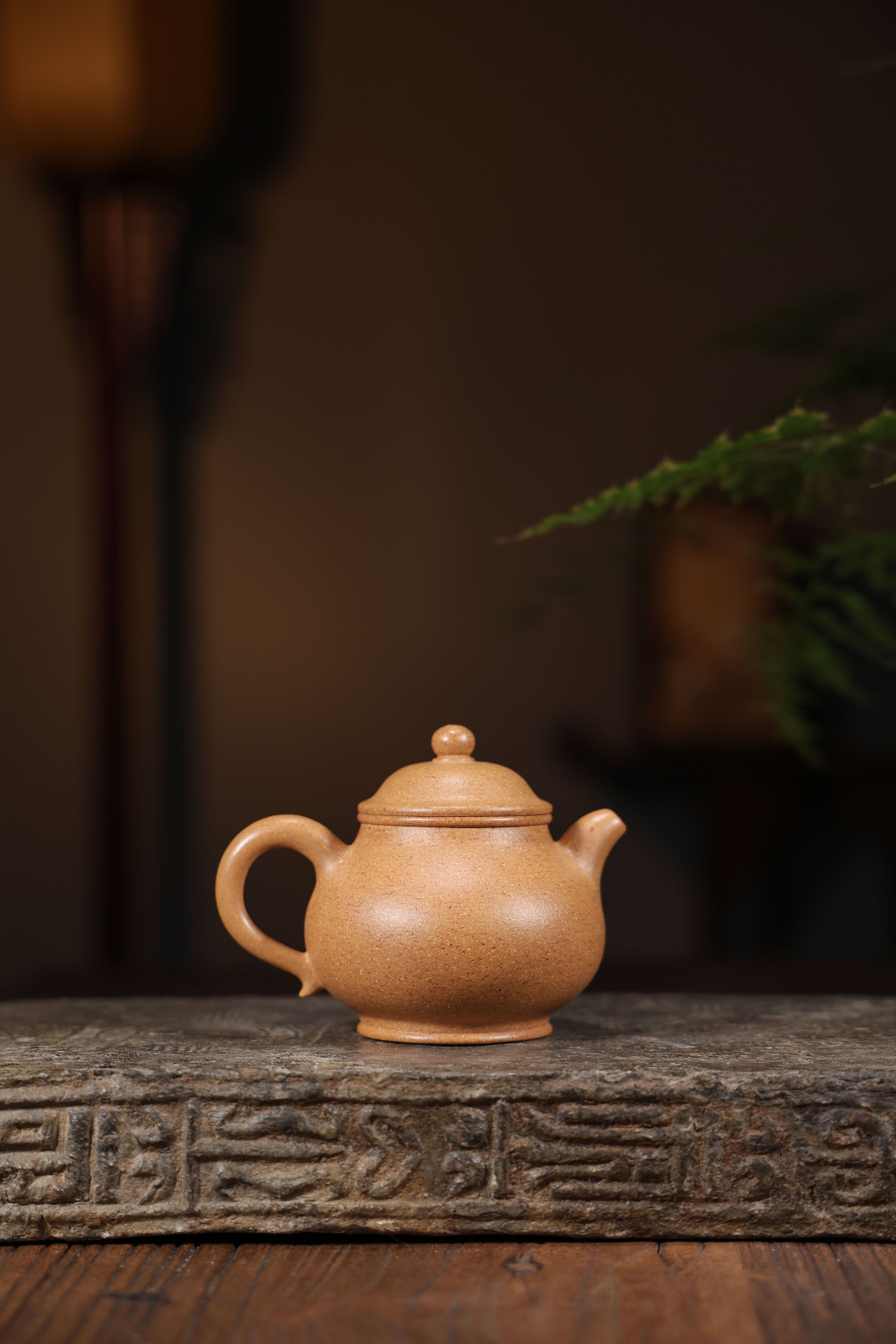
Sustained background establishes Eastern ceramic pots via decades,
Illustrating rare aspects obtained across domestic heliotrope components, the flasks accumulate a film throughout application, improving flavor extracted from created concoctions.
Recognizing Yixing Sediment: Extensive Insights into Zisha
Multiple aficionados recognize the unique structure of Yixing heliotrope clay, a keystone of heritage Chinese teaware. Originating from the Yixing region of Jiangsu province, this notable clay presents an elaborate mineral structure, which furnishes excellent qualities to the produced vessels. Styles within Zisha, including Hong Mud, Duan Ni Mud, and Jiang Xi Mud, each presents distinct pigments, surfaces, and hardening traits, affecting the diffusibility and the terminal flavor refinement of the drink.
Far Eastern Carafe Legacies: Exploring Expertise
Far Eastern teapots embody beyond mere flasks for liquid; they symbolize centuries of customary skill. From the classic Yixing clay variations, respected for their open nature which infuses individual tastes to the drink, to the subtle porcelain from Jingdezhen, each piece narrates a chronicle of dedication. The production process is an intricate operation, often handed over through tribes of makers. These makers use ancient strategies such as hand-building, molding on wheels, and refining, demonstrating profound reverence for the substance and the profession itself. Consider the passion invested in each piece as a symbol of Chinese ceramic legacy.
- Chinese urns: a famous offer.
- High-quality porcelain teapots: valued for their refined design.
- Constructing techniques: a challenging yet beneficial procedure.
Yixing Zisha Jar Handling: Maintaining Your Precious Object
Suitable care of your esteemed Yixing Zisha jar is vital to maintaining its durability. Crafted from distinct purple sand mud, these superior teapots mature a subtle patina after employment, decidedly boosting their allure. Avoid cleaning agents; a light rinse with pleasantly warm liquid is enough. Shun heated water for refreshing the teapot, as it may harm its surface. Allow it to evaporate moisture away from direct natural light. Consider seasoning your teapot regularly using top-quality tea, especially fermented varieties. Here is a brief instruction:
- Wash over with softly heated liquid.
- Refrain from cleaners.
- Enable it to become free of moisture.
- Mature with top-grade tea.
Lineage of Yixing Teapots: From Humble Origins
The account of Yixing teapots commences plainly during the Qing dynasty, close to the 16th epoch. Initially, these earthenwares were not the treasured artifacts they are valued presently. They were created by indigenous potters using the singular purple clay located solely in the Yixing vicinity. These early items were largely utilitarian, designed for everyday use and often simple in composition. It was not until the afterward dynasty that they opened to earn honor beyond mere utilitarian ceramics.
Picking the Right Yixing Jar: A Introductory Introduction
Entering the realm of Yixing teapots can be intimidating, but eschew hesitating! For starters, the most important factor is understanding the clay. Certified Yixing clay is prized for its breathability, allowing the teapot to hold the tea's taste over time, heightening every extracting session. Evaluate the shape; traditional arched shapes prevail, yet particular preferences weigh. Lastly, inspect the sheen—while some favor an natural appearance, others enjoy a nuanced gloss. Take your time in the acquisition process—this is an acquisition in a appreciated piece of creation.
Yixing Teapots and Their Significance on Chinese Infusion Culture
Zisha urns, coming from Yixing, China, have profoundly defined enduring Chinese tea culture. Those Yixing clay teapots, prized for their unique complexion, surface, and exceptional ability to impart a subtle flavor to the liquid, serve as more than mere devices; they are esteemed treasures and symbols of distinction. The very practice of preparing and serving brew using a Zisha teapot is steeped in history, elevating the experience beyond simple refreshment. Dynasties of artisans have honed their techniques, passed down through tribes, resulting in highly valued pieces. Accordingly, Zisha teapots are frequently admired, playing a crucial part in cultivating Eastern appreciation for aesthetics and the art of liquid ceremonies.
- Distinctive Clay Composition
- Bestowing Subtle Flavor
- Fine Craftsmanship
Detecting Authentic Unique Provincial Vessels
Procuring a authentic Yixing teapot can be a satisfying experience, but the environment is often infested with frauds. Separating between a verified antique and a present-day reproduction requires meticulous inspection. Key evidence include the clay's reddish-brown shade, often displaying patterned signs, and the scarcity of modern baking imprints. The profile should exhibit natural grace, reflecting the traditional Yixing design. Finally, checking the maker's seal is fundamental to verify certainty against published archives.
- Assess the clay's surface.
- Look for flaws, indicative of handmade quality.
- Ask an appraiser for endorsement.
Acquiring Chinese Containers: A Elaborate Guide to Purple Clay Analysis
The field of Native Zisha pieces offers a unique venture for savvy patrons. Gradually, the valuation of these well-made artifacts is steered by various elements, such as the grade of purple clay, the artistry of the maker, the artistic value, and, naturally, the existing interest. Starters should emphasize on studying the several kinds of Zisha clay—such as Frozen River, Quiet Jug, and Crimson Soil—and studying the traits linked to each. Diligent assessment of the teapot's outline, shade, and mark is likewise necessary to make responsible selections Chinese Teapot when investing.