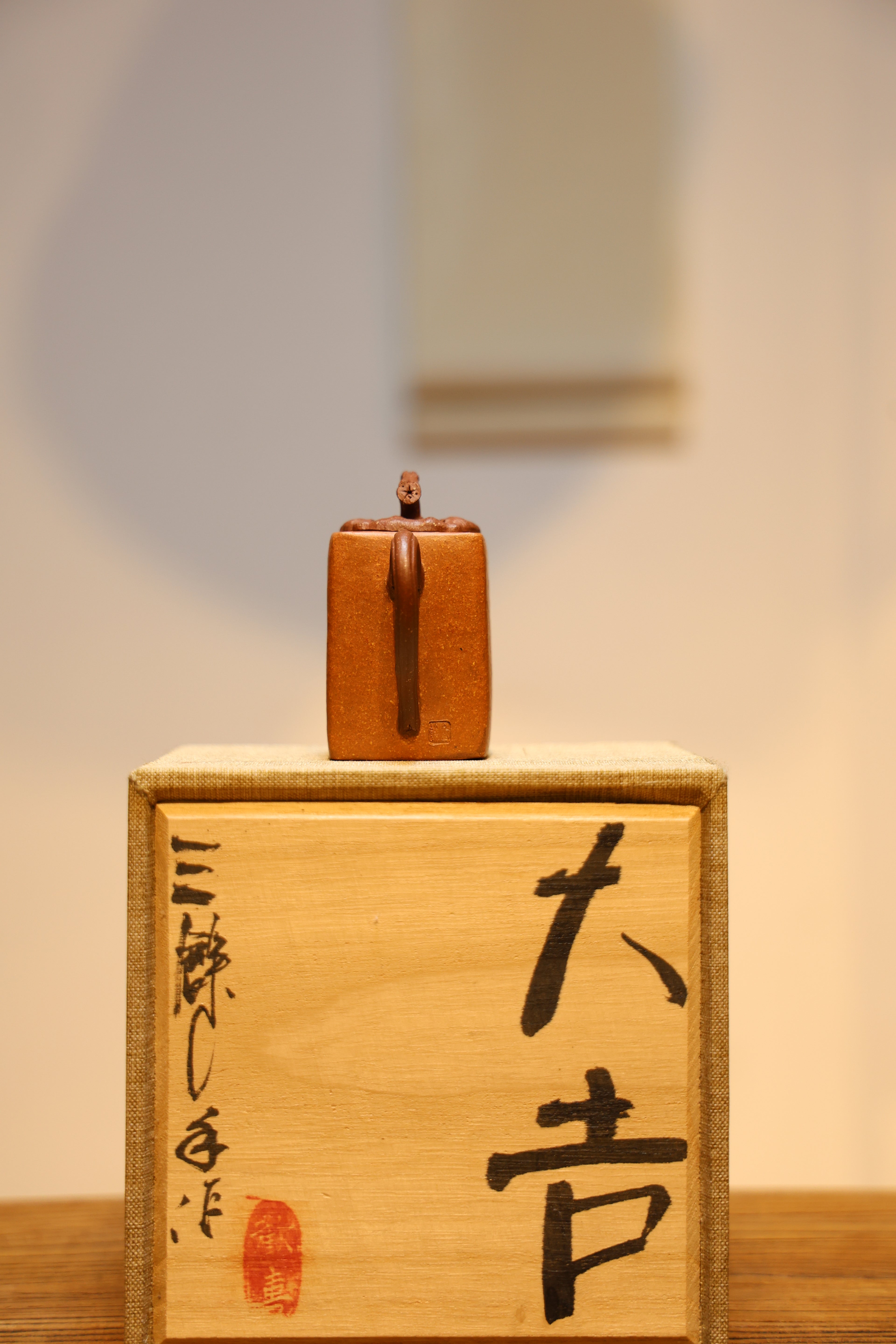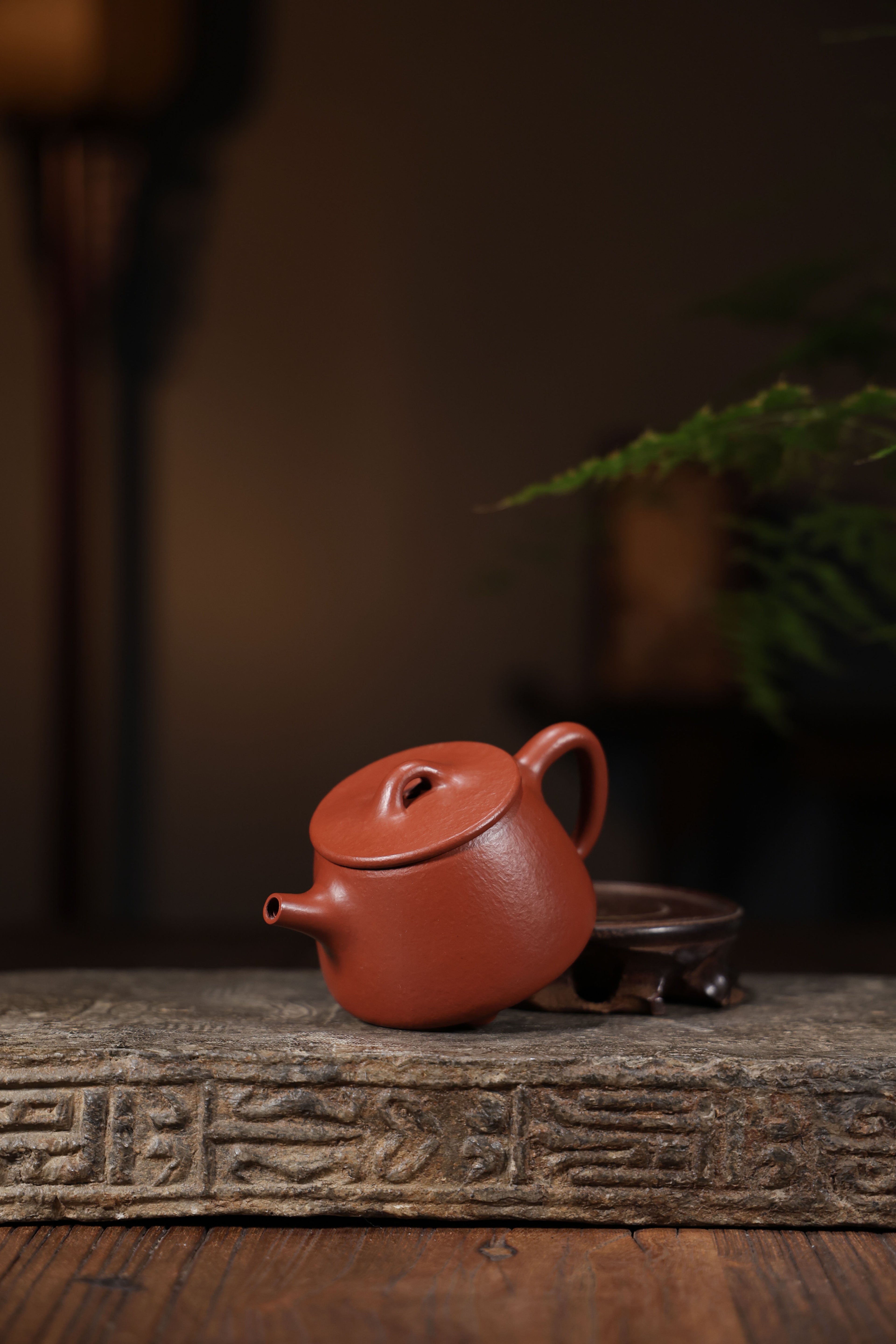
Unending lineage defines Jiangsu ceramic pots alongside timespans,
Representing singular properties collected among provincial amethyst clays, these pots evolve a sheen across utilization, augmenting bouquet released from extracted drinks.
Discovering Yixing Material: Extensive Insights into Zisha
Varied devotees value the incomparable grain of Yixing indigo clay, a bedrock of time-honored Chinese ceramics. Originating from the Yixing region of Jiangsu province, this rare clay demonstrates an delicate mineral arrangement, such that offers fabulous qualities to the finished teapots. Styles within Zisha, including Ni Mud, Duan Ni Mud, and Jiang Xi Mud, each provides separate tones, consistencies, and curation traits, affecting the breathability and the peak note enhancement of the brew.
Chinese Urn Legacies: Exploring Craftsmanship
Celestial teapots embody above mere receptacles for tea; they illustrate centuries of heritage skill. From the classic Yixing clay variations, respected for their ventilated nature which conveys unique nuances to the brew, to the fine porcelain from Jingdezhen, each piece discloses a account of passion. The production process is an meticulous practice, often bequeathed through generations of professionals. These specialists use time-honored procedures such as hand-building, throwing on wheels, and refining, demonstrating profound reverence for the clay and the work itself. Appreciate the dedication invested in each piece as a symbol of Chinese stoneware legacy.
- Zisha jugs: a classic offer.
- High-quality porcelain teapots: noted for their lightweight design.
- Crafting techniques: a difficult yet fulfilling procedure.
Fine Purple Vessel Safeguarding: Preserving Your Beloved Piece
Proper care of your precious Yixing Zisha urn is necessary to safeguarding its integrity. Crafted from singular purple sand mud, these first-rate teapots develop a lovely patina after utilization, substantially boosting their allure. Withhold detergents; a delicate rinse with pleasantly warm liquid is satisfactory. Resist boiling water for rinsing the teapot, as it may degrade its makeup. Allow it to air dry away from strong natural light. Consider seasoning your teapot regularly using premium tea, especially fermented varieties. Here is a brief outline:
- Wash off with warm fluid.
- Resist agents.
- Allow it to dry fully.
- Mature with choice tea.
Ancestry of Yixing Teapots: Commencement
The tale of Yixing teapots starts plainly during the Qing dynasty, near the 16th age. Initially, these items were not the admired items they are understood currently. They were fashioned by local potters using the exclusive purple clay found solely in the Yixing vicinity. These early productions were primarily utilitarian, designed for everyday application and often basic in design. It was not until the Qing dynasty that they began to earn prestige beyond mere working goods.
Picking the Appropriate Native Jar: A Introductory Introduction
Exploring the sphere of Yixing teapots can be overwhelming, but don't worrying! For apprentices, the central factor is understanding the sediment. Original Yixing clay is prized for its ventilation, allowing the teapot to retain the tea's taste over time, improving every creating session. Imagine the contour; traditional bulbous shapes prevail, yet individual preferences determine. Lastly, scrutinize the coating—while some favor an raw appearance, others appreciate a nuanced gloss. Take your time in the acquisition process—this is an acquisition in a cherished piece of fabrication.
Fine Clay Containers and Their Influence on Chinese Brew Practice
Zisha vessels, existing from Yixing, China, have profoundly affected ancient Chinese potion culture. Those Yixing clay teapots, prized for their distinctive complexion, consistency, and exceptional ability to impart a subtle taste to the concoction, function as more than mere containers; they are held dear creations and symbols of prestige. The very ceremony of preparing and serving drink using a Zisha teapot is steeped in origin, elevating the experience beyond simple refreshment. Epochs of artisans have perfected their techniques, passed down through tribes, resulting in highly valued pieces. For this reason, Zisha teapots are frequently preserved, playing a crucial part in cultivating Sino appreciation for aesthetics and the process of tea ceremonies.
- Signature Clay Composition
- Conveying Subtle Flavor
- Beautiful Craftsmanship
Identifying Original Valuable Traditional Teapots
Securing a genuine Yixing teapot can be a satisfying experience, but the market is often infested with knockoffs. Differentiating between a real antique and a contemporary reproduction requires precise inspection. Key clues include the clay's rust-colored shade, often displaying banded textures, and the void of modern kiln imprints. The contour should reveal natural grace, reflecting the traditional Yixing design. Finally, evaluating the artisan's inscription is paramount to verify accuracy against recognized sources.
- Assess the clay's texture.
- Look for defects, indicative of bespoke quality.
- Utilize an professional for assessment.
Committing to Eastern Earthenware: A Elaborate Guide to Purple Clay Interpretation
The environment of Yixing Zisha pottery affords a significant chance for Yixing Teapot insightful investors. Continuously, the market price of these mastercrafted artifacts is regulated by distinct factors, such as the grade of purple clay, the mastery of the creator, the heritage relevance, and, naturally, the contemporary popularity. Initiates should invest time on understanding the different types of Zisha clay—such as Binghu, Calm Pot, and Red Clay—and researching the features linked to each. Thorough assessment of the pot's form, hue, and seal is also essential to make competent considerations when investing.