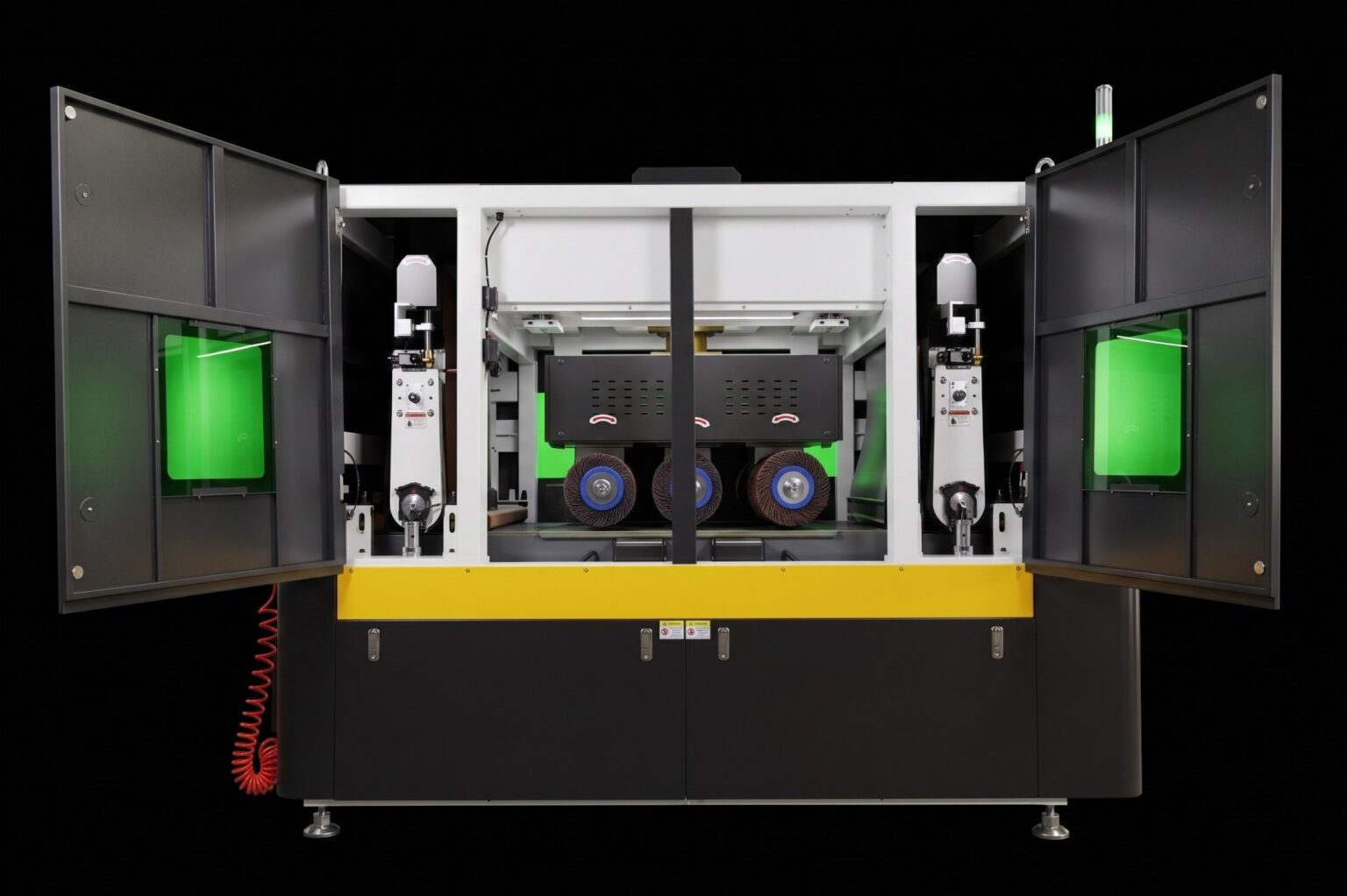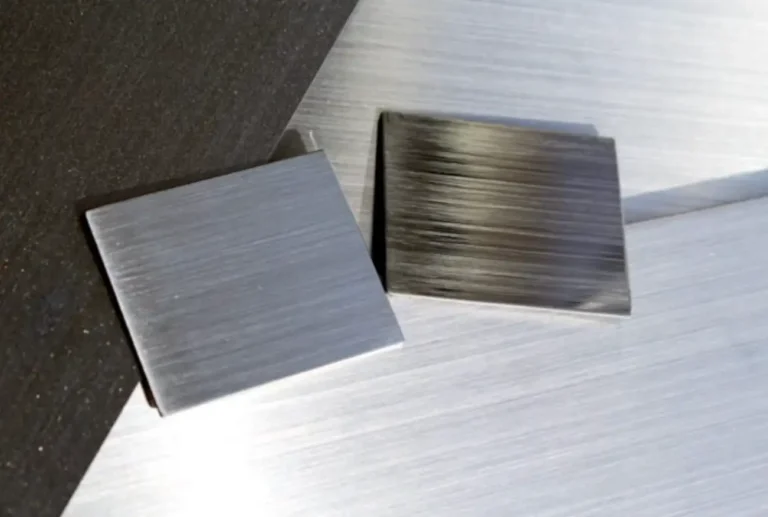
Introducing such complete analysis involving programmable devices built specialized in edge cleaning represent innovated manufacturing methods, delivering marked gains about efficiency and caliber. Our article reviews the different types of appliances, comprising buffing blasting modules, revolving tools, and progressive computer-controlled systems. We will cover the benefits of leveraging these advancements, consisting of minimized employee overhead, higher assembly regularity, and improved workshop performance.
Outline Chamfering Devices: Definite Processing Clarified
Contour rounding equipment offer a complex solution for delivering precise refining on products. Beyond manual methods, these computerized apparatuses furnish dependable products and decidedly enhance output efficiency. Such systems regularly deploy assorted polishing equipment like rotary wheels, buffing rotors, or bespoke configurations to cut away sharp ends and imperfections. That kind of process is crucial in a broad spectrum of sectors, like automotive and precision engineering.- Upgrade exterior standard
- Cut processing charges
- Enhance volume and performance
Slag Separation Units: Realizing Pristine, Excellent Surfaces
State-of-the-art foundry activities habitually generate significant amounts of contaminants, a byproduct that, if ignored, can severely degrade the appearance of the final product. Fortunately, advanced slag removal machines offer a proven solution. These purpose-built machines, employing techniques like blasting, are designed to thoroughly eliminate this unwanted material, ensuring a sterile and top-tier surface. The resulting advantages include cut rejection rates, augmented aesthetic appeal, and an overall gain in production efficiency. By utilizing leading slag removal technology, manufacturers can consistently deliver high-grade surfaces and meet stringent norms.
Thin Sheet Refinishing: The Benefits of Deburring Systems
Accomplishing a top-level finish on sheet metal units is vital for reliability, and deburring devices extend notable advantages over conventional methods. Removing burrs timely not only increases the cosmetic quality of the component, but also obviates likely complications during processing and functioning. In addition, precise deburring means boost assembly rates and curtail operator outlays.
Advancing Sheet Metal Production with Automatic Deburring
In order to raise efficiency in sheet metal construction, examine automated deburring tools. Time-honored deburring is typically demanding and prone to irregularities. Moving to automatic deburring affords meaningful merits, like diminished worker expenditures, better item consistency, and amplified production rates. This funding are capable of quickly prove worthwhile.Finding the Suitable Deburring Instrument for Your Project
Identifying the finest deburring tool for your customized needs comprises a careful assessment of several elements. At the outset, analyze the sort of resource you're operating on – aluminum requires different techniques than composites. Afterward, examine the scale and contour of the units needing finishing touches. In the end, weigh your throughput size; a significant operation calls for a separate type of equipment than a occasional one. Omitting to recognize these factors is likely to bring about deficient results and escalated outlays.
Deburring Machine Method: Evolutions and Revolutions
Latest burr elimination apparatus technique is witnessing rapid change, fueled by the demands for greater fineness and competence in operations workflows. Significant shifts involve the embedding of intelligent solutions for elastic burr removal procedures, alongside developments in abrasive device. We're besides noticing a growth in small-scale burr removal units catering for focused functions, and new processes like magnetic burr trimming are winning interest. The outlook demonstrates towards increased integration of burr removal devices within the smart industrial site space.
Strengthening Fabricated Piece Consistency with Corner Trimming
Many production processes for aluminum parts introduce sharp edges, which can lead to stress accumulations and fragilities that compromise overall performance. Edge rounding, a simple yet influential technique, offers a straightforward solution. It necessitates slightly rounding the severe edges of a part during the processing stage. This moderates stress zones, raises endurance performance, and can minimize cracking. Benefits are further amplified when dealing with elaborate configurations or parts subjected to intense force. Considerations include the correct curvature of the curved section and its bearing on combination with other pieces.
- Declines Stress Areas
- Strengthens Fatigue Lifespan
- Thwarts Cracking
Dross Elimination vs. Deburring : Appreciating the Differences
Whereas many craftsmen use the titles “slag elimination” and “deburring” confusingly, they indicate distinct processes in metal production activities. Deburring focuses on removing the sharp, often tiny, excrescences created during working operations—these are excess debris of metal left on the component. Residue elimination, conversely, addresses those offshoot – typically a mixture of oxides – that develops during processes like melting. Essentially, deburring deals with remaining brims, while slag eradication deals with one remains of a different procedure. To conclude, computerized deburring and impurity removal equipment are vital components of modern metal industrial that secure excellent finished products with cut defects and boosted efficiency.Ending the study points out the significant role of leading automated deburring technologies in modernizing assembly specifications and facilitating businesses realize heightened productivity and standard.